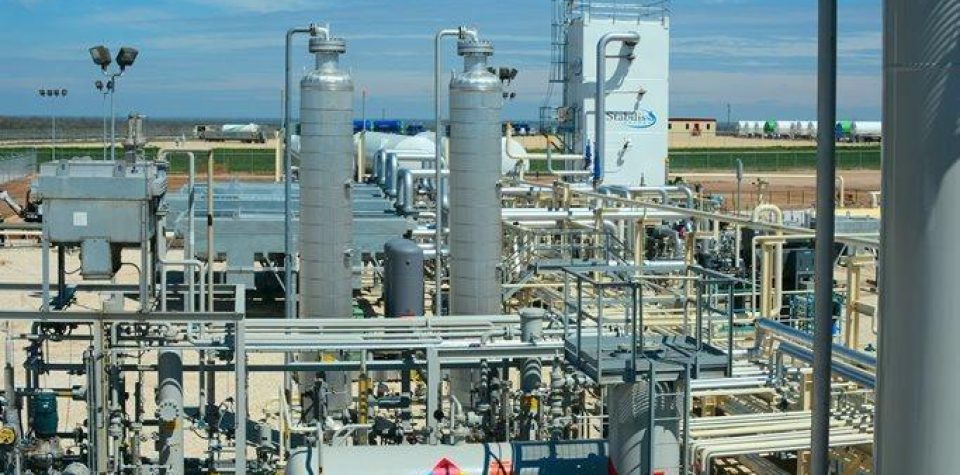
Harrison LNG is Defining the New Generation of Liquefaction Plants

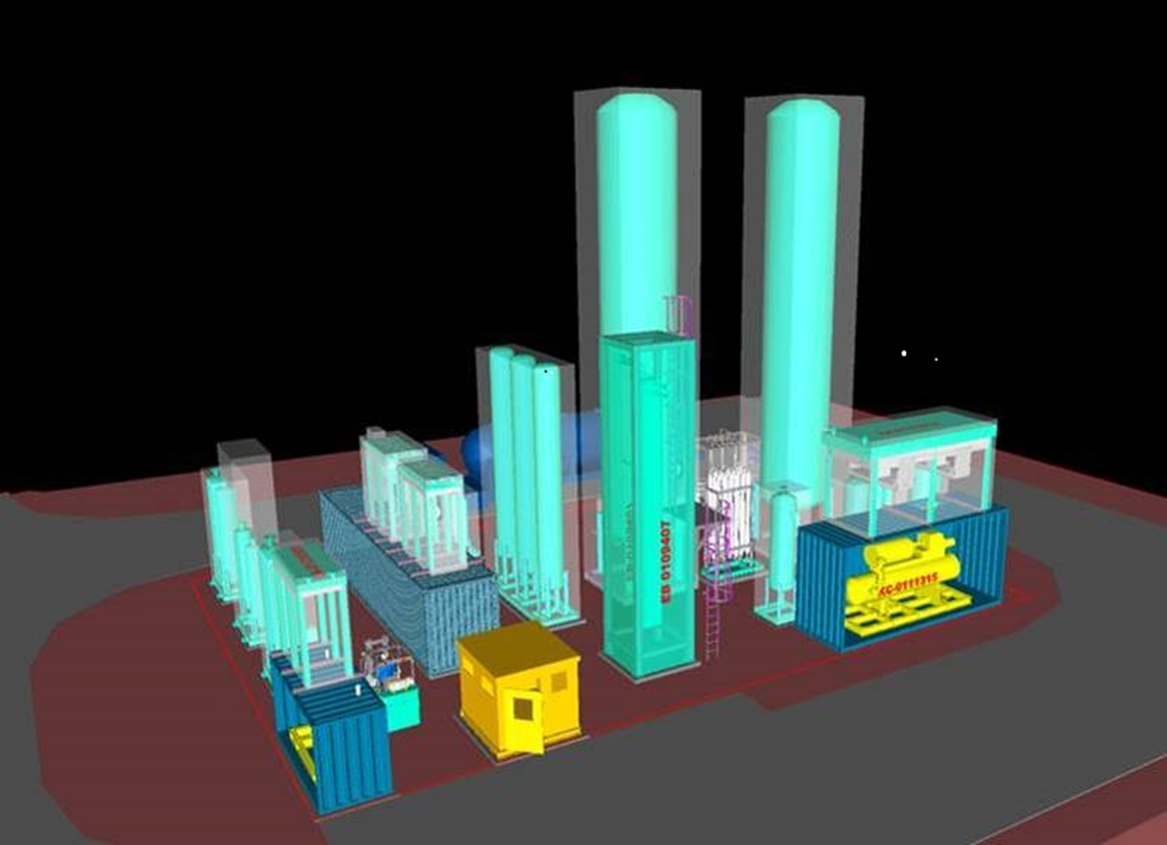
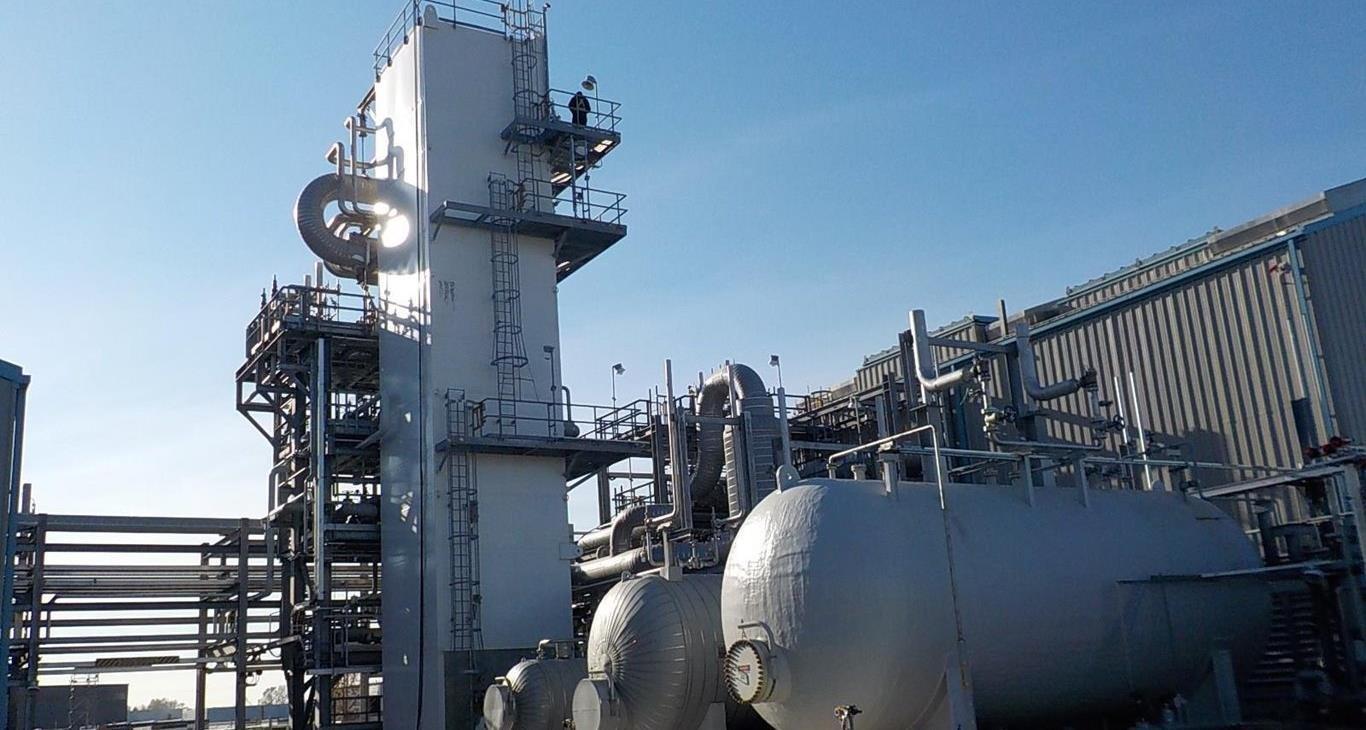
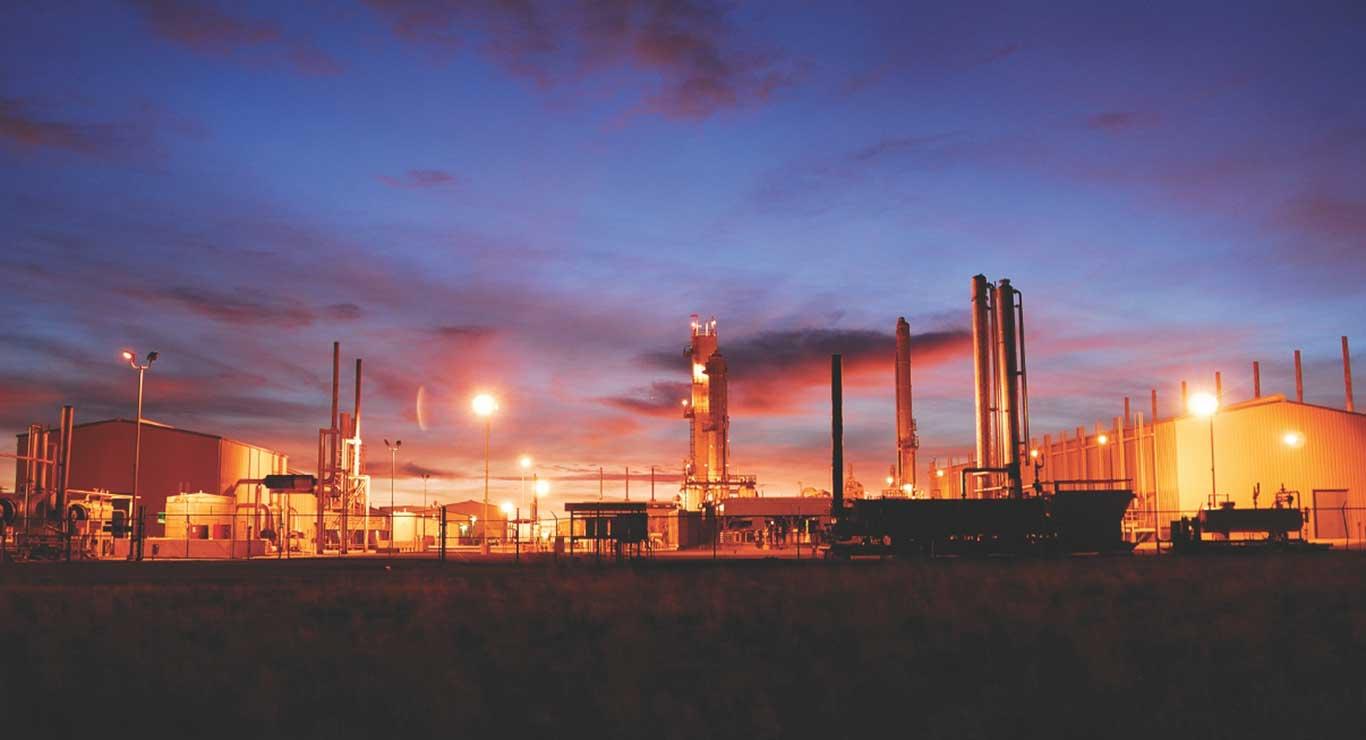
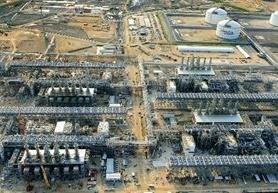
Cryosys and Chart are helping Harrison LNG define small-scale LNG through a range of standard mini-micro plants with capacities ranging from 3,000 gallons per day (10 tons per day) to 450,000 gallons per day (725 tons per day). Each plant is a complete packaged solution required to liquefy natural gas. Harrison LNG’s mid-scale modular model challenges the traditional paradigm that a large baseload LNG facility provides the best economy of scale.
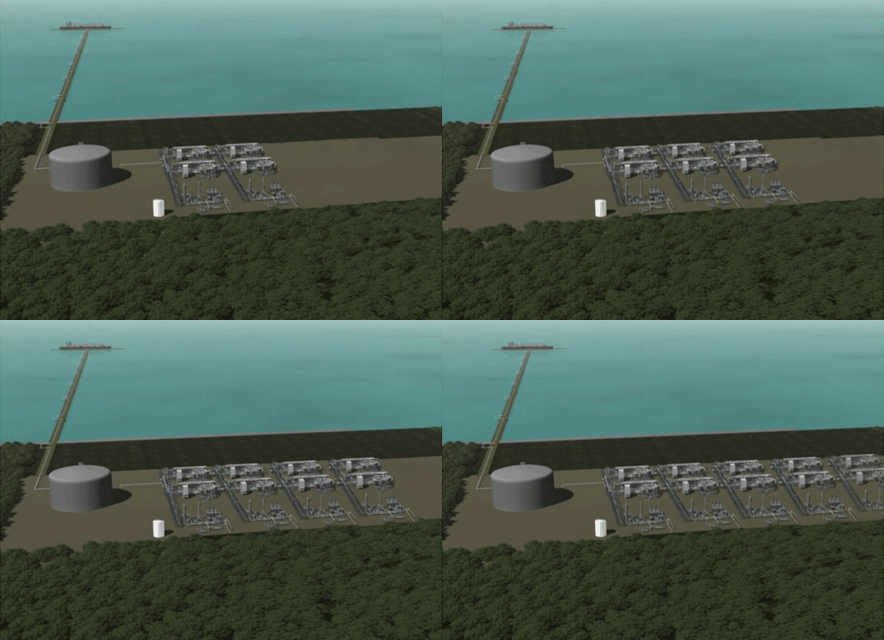
Modular Mid-Scale LNG Liquefaction

In contrast to the risk profile and upward CAPEX of a traditional baseload liquefaction plant, Harrison LNG's mid-scale solutions use multiple, smaller modular LNG trains that allow clients to scale projects according to market conditions and expand capacity as demand grows. Modular solutions are quicker to market and thereby generate faster revenues for stakeholders.
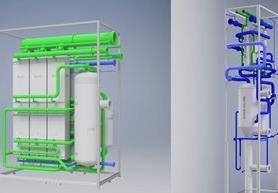
IPSMR® Process Technology

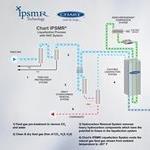
The IPSMR® process technology provides significantly better efficiency and superior performance over other comparable technologies and makes it possible to optimize liquefaction systems over a wide range of site conditions. IPSMR® process technology can be configured to match available gas turbine power with single cold box capacity to >4 MMTPA.
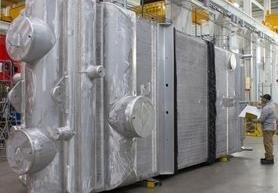
Efficient Heat Exchange is Key

Brazed aluminum heat exchangers provide optimal thermal performance and operating efficiency versus other heat exchanger types and are at the heart of our standard and modular plant solutions and process technologies.
Hudson Air Coolers

Hudson air cooled heat exchangers reduce plot space and deliver significant cost savings in LNG liquefaction plants.
Video Library

Small-Scale LNG Plant Tour
IPSMR Process Technology
LNG Liquefaction Plant Features

Harrison LNG move to Biogas Liquefaction

Commercially viable solution for the liquefaction of smaller gas volumes typically associated with biogas. Chart’s C15MR Micro LNG liquefaction plant enables customers to recover and monetize methane produced during anaerobic digestion processes.
BioLNG is defined as the highly sustainable version of LNG, has virtually identical chemical properties and can be used at source for power generation, natural gas vehicle fueling, bunkering, loaded into cryogenic containers and transported for regional use or vaporized and injected into the pipeline.
Biogas liquefaction plant
Plant features include:

Offshore Mexico Plans for Floating LNG (FLNG)

FLNG refers to the process of developing offshore, or near shore, natural gas reserves using a floating facility that incorporates raw gas processing, liquefaction and storage. The floating units can be platforms or converted ships/barges, the latter typically slated for small- and mid-scale FLNG projects.

As with all offshore projects, minimized footprint, modularization and reliable equipment performance in a harsh environment are all pre-requisites, hence why critical cryogenic and rotating equipment has a proven pedigree in many FLNG projects, including, reportedly, the first floating vessel to produce LNG in 2016.

FLNG equipment scope includes:

IPSMR® Process Technology

Chart's IPSMR process technology, proprietary brazed aluminum heat exchangers and cold boxes are the key to right-sizing mid-scale LNG.

Technical Library Available to Investors Only

View and download sales literature, technical manuals, case studies and more

Connect with Harrison LNG

To connect with a specialist call us direct or click the 'Contact Us' button, complete a short form and we'll be in touch. At info@vaquerooil.com
Telephone +1 832-544-5313